Buy healthmastery.eu ?
We are moving the project
healthmastery.eu .
Are you interested in purchasing the domain
healthmastery.eu ?
domain@kv-gmbh.de · 0541-91531010
Buy healthmastery.eu ?
Does FreeSync cause input lag?
FreeSync technology itself does not cause input lag. In fact, FreeSync is designed to reduce input lag by synchronizing the refresh rate of the monitor with the frame rate of the graphics card. This helps to provide a smoother and more responsive gaming experience. However, input lag can still be present due to other factors such as the response time of the monitor or the processing speed of the graphics card. **
How can one reduce input lag?
One can reduce input lag by using a monitor with a higher refresh rate, such as 144Hz or 240Hz, to decrease the time it takes for the screen to update. Additionally, using a wired connection for peripherals like keyboards and mice can help reduce input lag compared to wireless connections. Ensuring that your computer's graphics card and drivers are up to date can also help minimize input lag. **

Similar search terms for Input lag
Top-Angebote
Products related to Input lag:
-
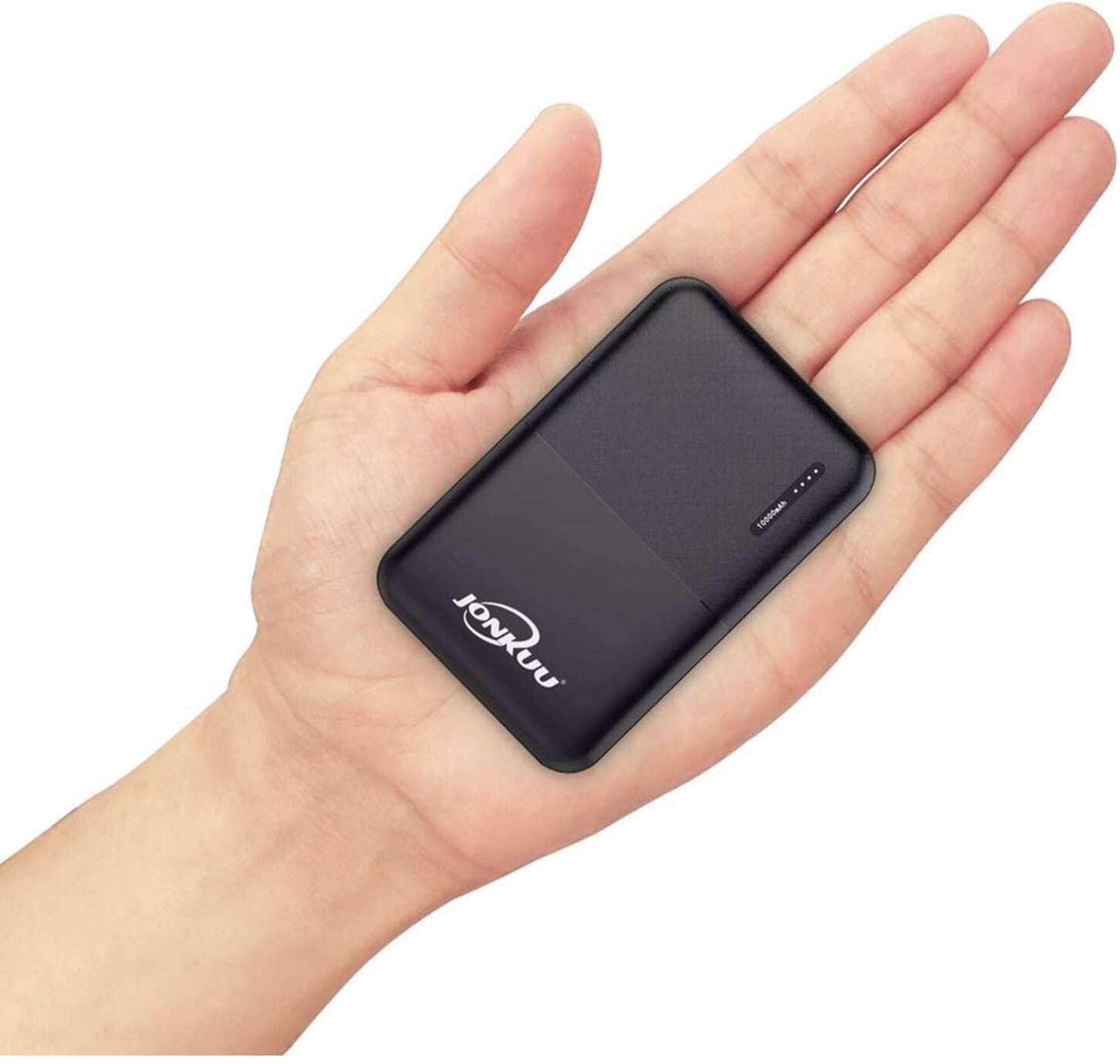
Jonku 10000mAh Portable Power Bank – Dual USB 2.4A, USB-C Input, NewStay powered up wherever you go with the Jonku Portable Power Bank Chargers 10000mAh , the perfect high-capacity external battery for smartphones, tablets, and gaming devices. With a compact and lightweight design, this power bank delivers reliable charging on the move , offering enough power to fully recharge most phones up to 2–3 times . Equipped with 2.4A dual USB output ports and a USB Type-C input , it allows fast and efficient charging of multiple devices simultaneously. Ideal for travel, commuting, and emergencies, this 10000mAh power bank is compatible with iPhone, Samsung, Android smartphones, Nintendo Switch, tablets , and more. Built with safety in mind, it includes overcharge, overcurrent, and short-circuit protection , ensuring your devices stay safe while charging. ✔️ 10000mAh high-capacity battery – Provides multiple full charges for most mobile devices ✔️ Dual USB output (2.4A) – Charge two devices at once efficiently ✔️ USB Type-C input – Fast recharge of the power bank using modern cables ✔️ Wide device compatibility – Works with iPhone, Samsung, Android phones, Nintendo Switch, tablets, and more ✔️ Compact & portable design – Lightweight and ideal for travel, daily carry, and emergencies ✔️ Fast charging support – Delivers stable, high-speed power for quicker top-ups ✔️ Safe charging system – Built-in protection against overcharge, overheating, and short circuits ✔️ LED battery indicator – Check remaining power at a glance ✔️ Durable build quality – Designed for long-term reliability and everyday use ✔️ Perfect for travel & outdoor use – Great for flights, commuting, holidays, and power backup The Jonku 10000mAh Portable Power Bank combines compact design with high performance, making it the ideal everyday charging solution for anyone who needs reliable power wherever they go.12,49 £*Shipping: 0,00 £Secure redirect to the provider



-
How does the input lag feel?
The input lag feels noticeable and can be frustrating, especially in fast-paced games or when trying to make precise movements. There is a delay between when you input a command and when it is executed on the screen, which can make the gameplay feel sluggish and unresponsive. This can impact the overall gaming experience and make it more difficult to perform well in games that require quick reflexes and precise timing. **
-
Can someone help with input lag?
Yes, someone can help with input lag. There are several ways to address input lag, such as adjusting the settings on your device or using specialized software to optimize performance. Additionally, you can seek assistance from technical support professionals or online forums to troubleshoot and resolve input lag issues. It's important to identify the specific cause of the input lag in order to find the most effective solution. **
-
Which tools can be used to test input lag for keyboard and mouse input, as well as the general input lag between motherboard, CPU, and RAM?
To test input lag for keyboard and mouse input, tools like Blur Busters' MouseTester and Human Benchmark can be used. These tools can measure the response time between your physical input and the on-screen action. To test the general input lag between motherboard, CPU, and RAM, tools like LatencyMon and PassMark PerformanceTest can be helpful. These tools can provide insights into the latency and performance of different components in your system. **
-
Which tools can be used to test the input lag for keyboard and mouse input, as well as the general input lag between motherboard, CPU, and RAM?
To test the input lag for keyboard and mouse input, tools like Blur Busters' MouseTester and Human Benchmark can be used. These tools can measure the response time between when a key is pressed or a mouse button is clicked and when the action is registered on the screen. To test the general input lag between motherboard, CPU, and RAM, tools like LatencyMon and CPU-Z can be utilized. These tools can provide information on the latency between different components of the system, helping to identify any potential bottlenecks or issues affecting overall performance. **

What is the input lag on monitors?
Input lag on monitors refers to the delay between when a signal is sent to the monitor and when it is actually displayed on the screen. It is typically measured in milliseconds (ms) and can vary depending on the monitor's technology and settings. Lower input lag is desirable for tasks that require quick reactions, such as gaming, to ensure a more responsive and immersive experience. High-quality gaming monitors often have low input lag to minimize delays between user input and on-screen action. **
How high can the input lag be?
Input lag can vary depending on the device and the specific circumstances, but generally, input lag should be kept as low as possible to ensure a smooth and responsive user experience. Ideally, input lag should be under 20 milliseconds for gaming and other real-time applications to minimize any noticeable delay between the user's actions and the device's response. However, some devices may have input lag higher than 20 milliseconds, which can still be acceptable for certain tasks but may be noticeable in fast-paced activities like gaming. **
Top-Angebote
Products related to Input lag:
-
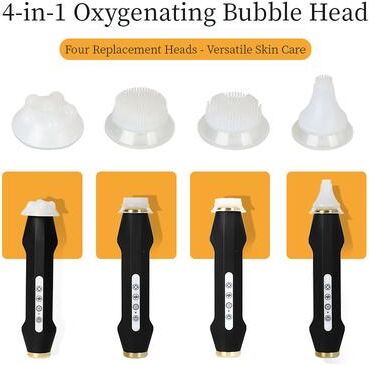
PRiME Portable CO2 Oxygen Bubble Pen, Rechargeable Facial Cleansing & Anti Aging Skin Care Device With Balance Serum Input Portable CO2 Oxygen Bubble Pen, Rechargeable Facial Cleansing & Anti Aging Skin Care Device With Balance Serum InputExperience nextlevel skincare with the Portable CO2 Oxygen Bubble Pen Rechargeable Facial Cleaning Balance Serum Input Pen Antiaging Skin Care Beauty Device a multifunctional tool designed to rejuvenate, cleanse, and balance your skin effortlessly...71,97 $*Shipping: 0,00 $Secure redirect to the provider
-
Does FreeSync cause input lag?
FreeSync technology itself does not cause input lag. In fact, FreeSync is designed to reduce input lag by synchronizing the refresh rate of the monitor with the frame rate of the graphics card. This helps to provide a smoother and more responsive gaming experience. However, input lag can still be present due to other factors such as the response time of the monitor or the processing speed of the graphics card. **
-
How can one reduce input lag?
One can reduce input lag by using a monitor with a higher refresh rate, such as 144Hz or 240Hz, to decrease the time it takes for the screen to update. Additionally, using a wired connection for peripherals like keyboards and mice can help reduce input lag compared to wireless connections. Ensuring that your computer's graphics card and drivers are up to date can also help minimize input lag. **
-
How does the input lag feel?
The input lag feels noticeable and can be frustrating, especially in fast-paced games or when trying to make precise movements. There is a delay between when you input a command and when it is executed on the screen, which can make the gameplay feel sluggish and unresponsive. This can impact the overall gaming experience and make it more difficult to perform well in games that require quick reflexes and precise timing. **
-
Can someone help with input lag?
Yes, someone can help with input lag. There are several ways to address input lag, such as adjusting the settings on your device or using specialized software to optimize performance. Additionally, you can seek assistance from technical support professionals or online forums to troubleshoot and resolve input lag issues. It's important to identify the specific cause of the input lag in order to find the most effective solution. **
Similar search terms for Input lag
-
Jonku 10000mAh Portable Power Bank – Dual USB 2.4A, USB-C Input, NewStay powered up wherever you go with the Jonku Portable Power Bank Chargers 10000mAh , the perfect high-capacity external battery for smartphones, tablets, and gaming devices. With a compact and lightweight design, this power bank delivers reliable charging on the move , offering enough power to fully recharge most phones up to 2–3 times . Equipped with 2.4A dual USB output ports and a USB Type-C input , it allows fast and efficient charging of multiple devices simultaneously. Ideal for travel, commuting, and emergencies, this 10000mAh power bank is compatible with iPhone, Samsung, Android smartphones, Nintendo Switch, tablets , and more. Built with safety in mind, it includes overcharge, overcurrent, and short-circuit protection , ensuring your devices stay safe while charging. ✔️ 10000mAh high-capacity battery – Provides multiple full charges for most mobile devices ✔️ Dual USB output (2.4A) – Charge two devices at once efficiently ✔️ USB Type-C input – Fast recharge of the power bank using modern cables ✔️ Wide device compatibility – Works with iPhone, Samsung, Android phones, Nintendo Switch, tablets, and more ✔️ Compact & portable design – Lightweight and ideal for travel, daily carry, and emergencies ✔️ Fast charging support – Delivers stable, high-speed power for quicker top-ups ✔️ Safe charging system – Built-in protection against overcharge, overheating, and short circuits ✔️ LED battery indicator – Check remaining power at a glance ✔️ Durable build quality – Designed for long-term reliability and everyday use ✔️ Perfect for travel & outdoor use – Great for flights, commuting, holidays, and power backup The Jonku 10000mAh Portable Power Bank combines compact design with high performance, making it the ideal everyday charging solution for anyone who needs reliable power wherever they go.12,49 £*Shipping: 0,00 £Secure redirect to the provider
-
CoreParts MBC1042 90W Laptop Car Adapter — 19V 4.7A, 5.5 x 2.5mm Plug, 10–15V DC Input90W DC car adapter for laptops with a 5.5 x 2.5mm centre-pin power socket. Output 19V 4.7A; input 10–15V DC, max 8A. Replaces HP PC628A and Fujitsu S26391-F194-L350 car adapters.48,99 £*Shipping: 0,00 £Secure redirect to the provider
-
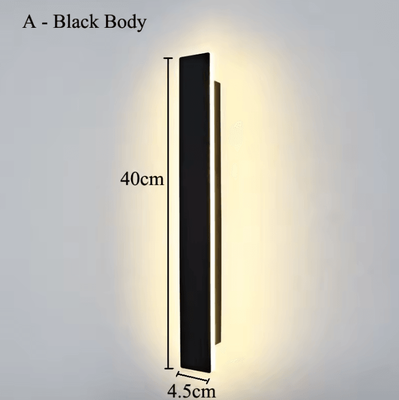
Inspire Curations Modern 40CM Linear LED Wall Light black Body 40cm Length input Ac220v tricolor DimmingGive your walls a sleek architectural glow with this linear LED wall light. Its slim 40CM profile creates a clean, contemporary focal point while providing practical illumination for everyday spaces. Designed with 15W output and AC220V operation,...190,50 $*Shipping: 0,00 $Secure redirect to the provider
-
Which tools can be used to test input lag for keyboard and mouse input, as well as the general input lag between motherboard, CPU, and RAM?
To test input lag for keyboard and mouse input, tools like Blur Busters' MouseTester and Human Benchmark can be used. These tools can measure the response time between your physical input and the on-screen action. To test the general input lag between motherboard, CPU, and RAM, tools like LatencyMon and PassMark PerformanceTest can be helpful. These tools can provide insights into the latency and performance of different components in your system. **
-
Which tools can be used to test the input lag for keyboard and mouse input, as well as the general input lag between motherboard, CPU, and RAM?
To test the input lag for keyboard and mouse input, tools like Blur Busters' MouseTester and Human Benchmark can be used. These tools can measure the response time between when a key is pressed or a mouse button is clicked and when the action is registered on the screen. To test the general input lag between motherboard, CPU, and RAM, tools like LatencyMon and CPU-Z can be utilized. These tools can provide information on the latency between different components of the system, helping to identify any potential bottlenecks or issues affecting overall performance. **
-
What is the input lag on monitors?
Input lag on monitors refers to the delay between when a signal is sent to the monitor and when it is actually displayed on the screen. It is typically measured in milliseconds (ms) and can vary depending on the monitor's technology and settings. Lower input lag is desirable for tasks that require quick reactions, such as gaming, to ensure a more responsive and immersive experience. High-quality gaming monitors often have low input lag to minimize delays between user input and on-screen action. **
-
How high can the input lag be?
Input lag can vary depending on the device and the specific circumstances, but generally, input lag should be kept as low as possible to ensure a smooth and responsive user experience. Ideally, input lag should be under 20 milliseconds for gaming and other real-time applications to minimize any noticeable delay between the user's actions and the device's response. However, some devices may have input lag higher than 20 milliseconds, which can still be acceptable for certain tasks but may be noticeable in fast-paced activities like gaming. **
* All prices are inclusive of VAT and, if applicable, plus shipping costs. The offer information is based on the details provided by the respective shop and is updated through automated processes. Real-time updates do not occur, so deviations can occur in individual cases. ** Note: Parts of this content were created by AI.